If your household makes both carafe-style coffee and espresso drinks, one combination machine can save counter space; separate appliances let you choose each brewer for its own job. The right setup depends on what the machine means by “coffee,” whether you want coffee and espresso brewing at the same time, and which tools come in the box. Product designs differ: De’Longhi’s COM532M lists a coffee carafe, an espresso pump, and a dual heating system, while Breville’s Barista Express is an espresso-focused machine with an integrated grinder. Those are examples, not the result of side-by-side testing. Use the comparisons below to match the equipment to your daily routine.
Key Takeaways
- Choose a combo when one footprint and a simpler appliance count matter most—but verify that its coffee function makes the style and amount you drink.
- Choose separate machines when you want to select a coffee brewer and espresso setup independently or expect to use both regularly.
- “Combo” does not guarantee simultaneous brewing, an integrated grinder, or less maintenance; confirm each feature in the exact model’s manual and specifications.
- Compare the complete setup, including grinder, milk tools, filters, and counter clearance—not just the machine’s headline price.
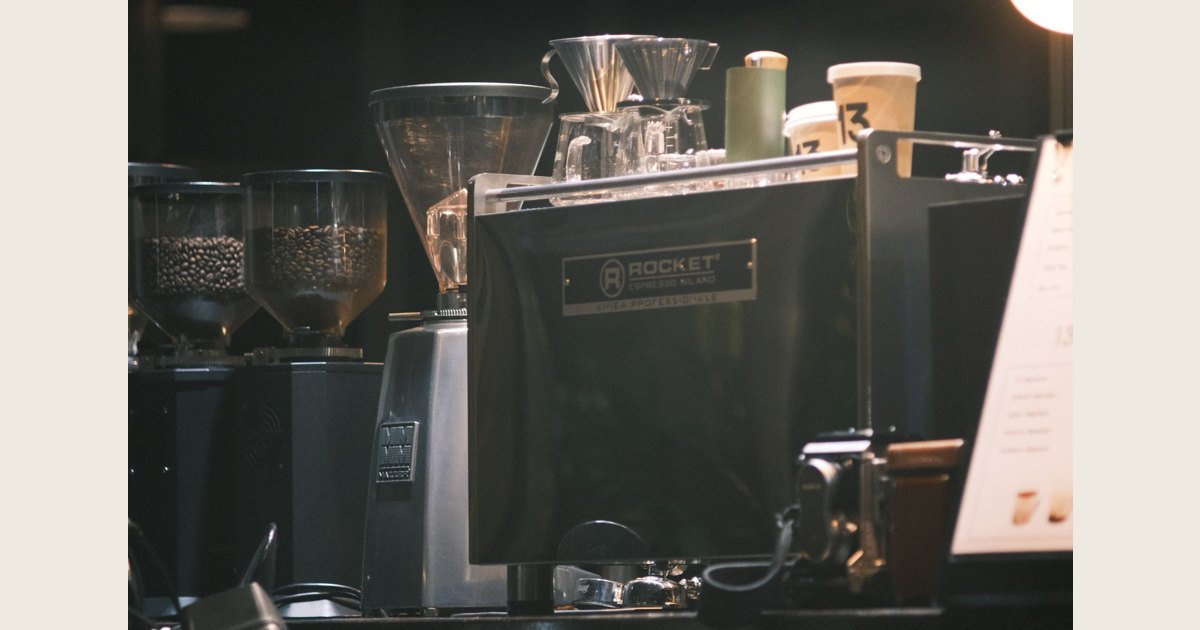
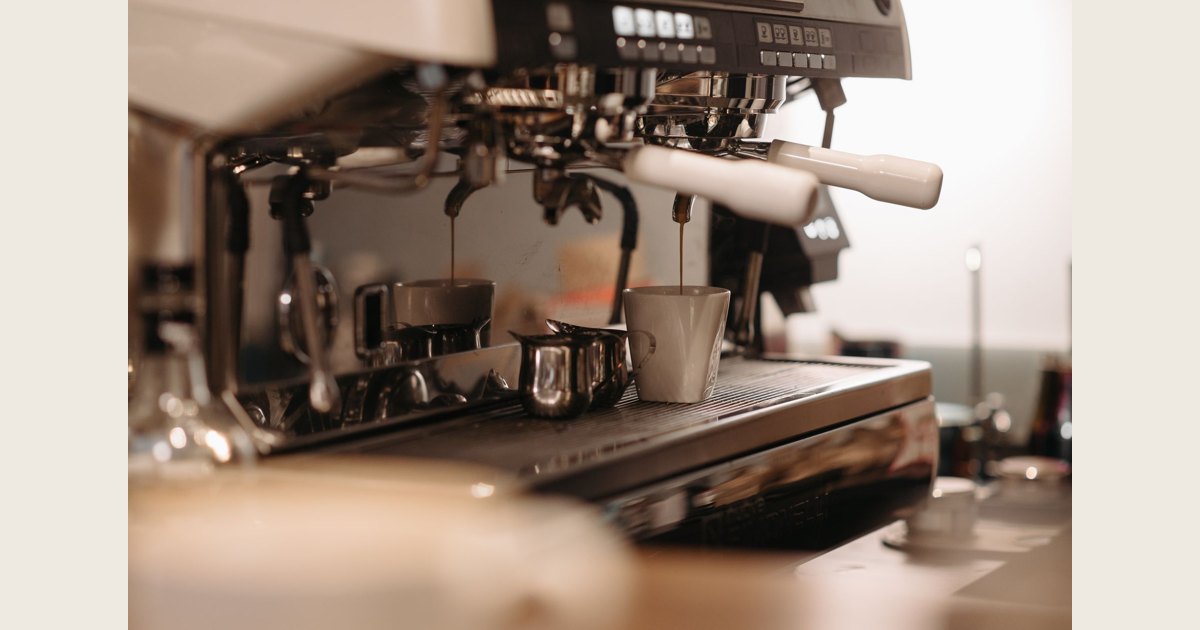
Featured image credit: Photo by Việt Anh Nguyễn on Pexels, under the Pexels License. Resized stock imagery for illustration; no product testing is implied.
Quick comparison: combo machine or separate appliances?
| What to compare | One coffee-and-espresso machine | Separate coffee brewer and espresso machine |
|---|---|---|
| Best fit | You want both drink styles in one appliance and the model covers your routine. | You want to pick the two brewing systems independently. |
| Coffee options | Check the coffee mode, carafe capacity, and serving sizes for the specific model. | Choose a brewer that matches the batch size and style you drink. |
| Espresso setup | Grinder, controls, and milk tools vary by machine; inspect the included equipment. | Select an espresso machine and grinder combination to suit your needs. |
| Use at the same time | Model-specific. De’Longhi says the COM532M can brew coffee and espresso simultaneously. | Two independent machines can run separate tasks, subject to their instructions and setup. |
| Counter space | One chassis, but allow room for filling, pouring, and milk preparation. | More separate equipment and work areas to fit. |
| Upkeep | One appliance still has different brewing functions and care instructions. | Two appliances mean two sets of instructions and routines. |
| Cost | Price the exact model and any missing accessories. | Add the price of both machines and any separate grinder or accessories. |
What does “coffee and espresso in one machine” actually mean?
A combo is useful only if its two functions make the drinks you have in mind. Some product names use “coffee” broadly, so check the machine’s coffee-brewing method, carafe or cup capacity, and the sizes it can make. If you want a pot of filter-style coffee, make sure the product offers that—not just espresso-based drinks such as an Americano or a longer shot.
The De’Longhi COM532M product page describes both coffee and espresso, and lists a spill-proof carafe, an Italian 15-bar pump, a manual milk frother, and a dual heating system. It also says the machine can brew coffee and espresso at the same time. That is useful information about this particular model; it is not a promise that every combination machine has the same functions.
By contrast, the Breville Barista Express is presented as an espresso machine. Its listed equipment includes a conical burr grinder with 16 settings, a 54 mm portafilter, single- and dual-wall filter baskets, manual milk texturing, and shot-volume controls. Those details make it an example of a more explicitly espresso-oriented setup, not a coffee-and-espresso combo.
The Specialty Coffee Association lists separate certification standards for home coffee brewers and semi-automatic or automatic espresso machines. Its public standards page says the certification documents require member access, so the public listing does not provide the test specifications or establish that a particular machine is certified (SCA standards). Treat certification language as a model-specific claim to verify, not as a feature you can infer from a product category.
Do you need coffee and espresso ready at the same time?
If you regularly make a pot of coffee while someone else prepares espresso, check simultaneous operation before you buy. It is a feature of some models, not an automatic advantage of a combo. De’Longhi explicitly says the COM532M’s dual heating system allows coffee and espresso to brew simultaneously; other products may require you to wait or switch functions. Read the exact product description and manual rather than relying on “all-in-one” wording.
With separate appliances, each has its own brewing controls, so you can organize the two tasks independently. You will need enough counter space to work with both, and you should follow each unit’s operating instructions. A separate setup is not automatically faster: preparation, milk steaming, and cleanup still take time.
If simultaneous use is only an occasional convenience, it may not justify a larger or more expensive setup. If it is part of a daily breakfast routine, make it a deciding feature and confirm the sequence the machine supports—for example, whether one function can continue while the other is in use.
Compare the full counter setup, not just the appliance count
A combo typically replaces two machine bodies with one, but it still needs accessible water and coffee compartments, space for its carafe, and room to prepare drinks. Measure the counter and check the space above and around the appliance before ordering. Also account for the room needed to move a milk pitcher, fill the water tank, and remove parts for cleaning.
Separate equipment takes more places on the counter, but gives you a choice of coffee brewer and espresso machine instead of requiring one product to satisfy both jobs. Depending on the models, that could mean a basic coffee maker beside a more feature-rich espresso setup—or a simpler arrangement tailored to what you actually drink. If one unit is unavailable, the other remains a separate appliance, though that does not guarantee easier repair or lower service costs.
For espresso, check what is included before assuming a grinder is built in. The Barista Express listing specifically identifies its integrated grinder; features and accessories differ across the category. If you choose separate machines, include the grinder, milk pitcher, and any filters or other essentials you need in your space and budget. Our guides to grinding coffee beans and espresso without an espresso machine can help if you are still deciding how involved you want the espresso routine to be.
Which option is easier to maintain?
Neither format is automatically maintenance-free. A combo means one appliance to manage, but it may still have separate coffee and espresso components, a carafe, and a milk system. Separate machines bring more equipment and manuals, while allowing you to follow each unit’s care guidance on its own.
Do not guess at cleaning or descaling intervals. They depend on the model and its instructions. De’Longhi’s product page links to a user manual and quick-start guide but does not give a cleaning schedule on the listing. Breville lists a cleaning disc, tablets, brush, and other tools with the Barista Express and links to its instruction manual. Use the manual for your specific machine; our espresso-machine descaling guide is general background, not a substitute for manufacturer directions.
Before buying, look for removable parts, the required cleaning products, and instructions for both coffee and milk functions. If you rarely make milk drinks, a manual steam wand or frother may add steps you do not need. If milk drinks are a daily choice, check whether the machine’s frothing method fits how much hands-on preparation you are willing to do.
How to compare the real cost
There is no reliable price verdict from the words “combo” and “separate” alone. Prices change, and a lower machine price may leave out tools needed for your preferred routine. Compare current, like-for-like totals for the exact models you would buy.
Make a short checklist:
- Coffee brewer: Does it make your usual amount and style of coffee? Is a carafe included?
- Espresso machine: Does it include the controls, portafilter baskets, and milk capability you want?
- Grinder: Is one built in, included separately, or still needed? Check its available settings and intended use.
- Daily supplies and upkeep: Include filters, cleaning products, and any model-specific accessories that are required.
- Space and workflow: Will the setup fit with enough clearance for filling, brewing, serving, and cleaning?
A combo can be the simpler purchase if its included functions already match your needs. Separate appliances may cost more once the pieces are added up, but let you choose where to spend and upgrade one brewing system without replacing the other. Confirm the total with current listings; avoid assuming one format is always cheaper.
Who should choose a combo, and who should buy separate machines?
- Choose a combo if you make both coffee and espresso drinks, want to keep the appliance count down, and find a model with the coffee capacity, espresso features, and simultaneous use you need.
- Choose separate machines if you care about selecting each brewing method independently, have enough counter space, or want the freedom to change one part of the setup later.
- Choose an espresso-focused machine if espresso is the priority and you rarely need a carafe. Compare the grinder, controls, and milk workflow; our Breville Barista Express overview and De’Longhi Stilosa guide cover two standalone examples.
- Skip the espresso equipment for now if you mostly want a simple cup of coffee and are unlikely to use espresso features. Buy for your routine, not for a drink you may make occasionally.
Common questions
Can one machine make regular coffee and espresso?
Some models are designed to make both, but “coffee” and the available serving styles vary. Check the product details for a carafe or brew method that matches the coffee you drink, then confirm the espresso and milk features separately.
Can a combo brew coffee and espresso at the same time?
Some can, but do not assume all can. De’Longhi states that the COM532M supports simultaneous brewing through its dual heating system; consult the exact model’s official description and manual for other machines.
Is a combo machine cheaper than buying two appliances?
Not necessarily. Compare the current total cost for the exact combo and for the separate coffee brewer, espresso machine, grinder, and accessories you would actually use. Included equipment and your preferred features can change the comparison.
The bottom line
Pick the setup that covers the drinks you make most, rather than choosing by the number of functions printed on the box. A combo is compelling when it genuinely makes your preferred coffee and espresso, fits your space, and supports the workflow you want. Separate appliances make more sense when you value independent choices and can accommodate the extra equipment. Before you buy, confirm brewing modes, simultaneous operation, included grinder and milk tools, care instructions, and the full setup cost for the exact models. For related espresso-machine trade-offs, see our standalone machine guides.