To descale an espresso machine, fill the water tank with a descaling solution made for coffee equipment (or a citric-acid descaler), run it through the brew head and steam wand in short bursts until about two-thirds of the tank has passed through, let it sit for 10–15 minutes, then rinse thoroughly by running two or three full tanks of fresh water through every outlet. The job takes about 30 minutes plus a short soak. If your machine has a descale button or light, follow its prompts—but the idea is always the same: dissolve the mineral scale with a mild acid, then flush every trace of it out before you brew again.
Key Takeaways
- Descaling removes hard-water mineral scale (mainly calcium carbonate) that builds up inside the boiler and lines, where it insulates the heating element and restricts water flow.
- Use a purpose-made descaler or citric acid; skip vinegar, which is a weak, smelly acid that leaves a lingering taste and rinses out slowly.
- Frequency depends on your water: monthly for hard water, every 2–3 months for moderately hard, and less often for soft or filtered water.
- Always rinse with several full tanks of fresh water afterward—residual descaler tastes sour and is unpleasant to drink.
- Descaling is not the same as backflushing; they clean different problems and neither replaces the other.
Why Espresso Machines Need Descaling
Tap water carries dissolved minerals—primarily calcium and magnesium—picked up as it passes through rock like limestone and chalk (Hard water, Wikipedia, accessed 2026-09-14). When heated, dissolved carbon dioxide escapes and the chemistry shifts until calcium carbonate precipitates out as a hard, chalky solid called limescale (Limescale, Wikipedia, accessed 2026-09-14). An espresso machine heats water constantly, so it is a near-perfect scale factory.
That scale matters because of where it lands. Deposits coat the inside of the boiler and heat exchanger, and because the mineral layer insulates the metal, it impairs heat transfer and reduces heating efficiency; over time it also restricts water flow (Hard water, Wikipedia, accessed 2026-09-14). In practice that means a machine that struggles to reach brew temperature, pours slowly, and eventually risks overheating its own components. Descaling reverses this by dissolving the buildup before it becomes a problem.
Signs it’s time to descale
You don’t need lab equipment to know your machine is scaling up. Watch for these:
- Slower shots or weaker pump pressure as narrowed passages choke water flow.
- Cooler coffee or longer heat-up times as scale insulates the heating element.
- Louder, sputtering operation, or a steam wand that produces less steam.
- Visible chalky white or grayish deposits around the group head, drip tray, or in the tank.
- A descale light or alert, if your machine tracks brew volume.
A single symptom isn’t proof, but two or more together is a strong cue. A descale indicator is a reminder, not a verdict—it counts cycles, not scale.
How Often Should You Descale?
There is no universal number, because the answer is driven almost entirely by your water. Hardness is measured in milligrams per liter (equivalent to parts per million) or grains per gallon, and the U.S. Geological Survey classification groups it into four bands (Hard water, Wikipedia, accessed 2026-09-14). Harder water scales faster; a machine pulling ten drinks a day also heats far more water than a weekend-only one.
Use this as a starting point and adjust based on what you observe:
| Water hardness (as CaCO₃) | USGS classification | Suggested descaling interval |
|---|---|---|
| 0–60 mg/L (0–3.5 gpg) | Soft | Every 3–6 months |
| 61–120 mg/L (3.5–7 gpg) | Moderately hard | Every 2–3 months |
| 121–180 mg/L (7–10.5 gpg) | Hard | Monthly |
| Over 180 mg/L (over 10.5 gpg) | Very hard | Every 3–4 weeks, or use filtered water |
Hardness ranges follow the USGS classification, as reproduced in Hard water, Wikipedia (accessed 2026-09-14). Intervals are practical guidance; your machine’s manual takes precedence.
Find your water’s hardness from your local utility’s annual water-quality report or a test strip. Filtered, softened, or bottled water scales much more slowly—but don’t skip descaling entirely, because even low-mineral water leaves some deposit over months of heating. Don’t stretch the interval too far to “save effort,” either: thick scale is harder to remove and can already be reaching the heating element by the time you notice symptoms.
Choosing a Descaling Solution
Descaling works by chemistry, not scrubbing. A mild acid reacts with the carbonate scale to produce a soluble calcium salt plus carbon dioxide and water, so the deposit dissolves and washes away (Descaling agent, Wikipedia, accessed 2026-09-14). Several acids can do this—acetic (vinegar), citric, and stronger acids among them—and the tradeoff is speed versus gentleness: stronger acids remove scale faster, while weaker acids like citric acid are preferred where you want to minimize damage to the material being cleaned (Descaling agent, Wikipedia, accessed 2026-09-14). An espresso machine, with its brass fittings and heating element, is exactly the kind of substrate you want to treat gently.
Your options, in rough order of preference:
- A commercial descaler made for espresso/coffee machines. Formulated to dissolve scale while being kind to internal parts. If your manufacturer specifies one, it’s the safe default, and some warranties assume you’ll use an approved product.
- Citric acid. A food-safe, widely available powder that works as a mild descaling acid and rinses cleanly—economical when a branded product isn’t required.
- Vinegar—discouraged. Acetic acid dissolves scale but is weaker, slower, and its strong odor and taste are hard to rinse out fully. The downsides usually aren’t worth it.
Two safety notes. More aggressive acidic descalers can be corrosive and can erode or dezincify brass fittings—another reason to stick to products meant for coffee gear (Descaling agent, Wikipedia, accessed 2026-09-14). And always follow the dilution and contact-time directions: stronger is not better, and letting an acid sit far longer than instructed invites damage.
Step-by-Step: Running a Descaling Cycle
These steps describe the general process for a typical pump espresso machine. Your machine’s manual overrides anything here—models with automated descale programs have their own sequence, fill levels, or button combinations.
- Prepare the machine. Warm it up, then switch it off. Empty and remove the drip tray, discard water in the tank, and take out the portafilter. If you use a water-softening filter in the tank, remove it—acid degrades it, and you want the solution to reach the scale.
- Mix and fill. Prepare your descaling solution per the product’s instructions (or dissolve citric acid at the recommended ratio) and fill the tank. Place a large empty container under the group head and steam wand.
- Run solution through every outlet. Start a “brew” as if pulling a shot, letting solution flow through the group head for several seconds, then pause. Also open the steam wand and hot-water tap for a few seconds each. Because a boiler often isn’t filled to the very top, the agent may not reach the highest points on its own, which is why cycling it through all the outlets matters (Descaling agent, Wikipedia, accessed 2026-09-14).
- Let it dwell. Stop when about two-thirds of the tank has passed through, then let the machine sit for 10–15 minutes (or the time your descaler specifies). Don’t leave it far longer “to be thorough”—follow the stated time.
- Finish the tank. Run the remaining solution through the group head and wand until the tank is nearly empty.
Rinsing: The Step You Can’t Skip
Rinsing is where people cut corners, and it’s the step that most affects how your next shot tastes. Any descaler left in the lines will make coffee taste sour, so flush until it’s gone.
- Refill with fresh water and run a full tank through the group head, steam wand, and hot-water outlet, just as you did with the solution.
- Repeat with one or two more full tanks. Two to three total rinses is a reasonable baseline; harder-to-rinse agents like vinegar may need more.
- Taste-check the water from the group head. When it tastes and smells neutral, you’re done.
- Reinstall the drip tray and water filter, and pull one throwaway shot first.
If you ever taste descaler afterward, the fix is simple: run more fresh water through.
Descaling vs. Backflushing: They’re Not the Same
These two maintenance tasks get confused constantly, but they solve different problems and don’t substitute for each other.
Descaling removes mineral scale from the inside of the machine—the boiler, heat exchanger, and water lines—using an acid. It targets calcium carbonate from your water.
Backflushing cleans coffee oils and grounds out of the group head and brew path, using a blind filter (a solid disk instead of a perforated basket) and often an alkaline detergent. Water is forced back through the group under pressure, flushing out the gunk around the shower screen and three-way valve. It does nothing for scale, and it’s only possible on machines with a three-way solenoid valve.
In short: backflush for coffee residue, descale for water minerals. Neither replaces the other.
Preventing Scale in the First Place
You can’t stop scale entirely, but you can slow it dramatically. Since scale comes from dissolved minerals, reducing those minerals reduces buildup (Limescale, Wikipedia, accessed 2026-09-14).
- Use filtered or lower-mineral water. An in-tank filter cartridge or pitcher filter cuts hardness and buys you longer intervals. Many machines are designed to take a filter for exactly this reason.
- Don’t leave water sitting in the tank for days; empty it if the machine will be idle.
- Don’t over-soften. Water with almost no minerals can be corrosive and makes flat-tasting espresso, so filtered tap water is usually a better target than distilled. If your machine calls for a specific water spec, follow it.
Do You Even Need to Buy Anything?
Often, no. If your utility report shows soft water and you already run a filter, food-grade citric acid is enough, and you might only descale a couple of times a year. Buy a purpose-made descaler when your manufacturer requires it for warranty reasons, or when you prefer a pre-measured product; otherwise citric acid does the same chemistry for less. Spend your money on a decent in-tank water filter instead—it prevents the problem rather than treating it.
Frequently Asked Questions
Can I use vinegar to descale my espresso machine?
You can, but it’s not recommended. Vinegar (acetic acid) dissolves scale but is a weaker, slower acid, and its strong smell and taste are hard to rinse out completely (Descaling agent, Wikipedia, accessed 2026-09-14). Citric acid or a coffee-machine descaler works better and rinses cleaner for a similar cost.
Will descaling remove old, thick scale?
It helps, but heavily scaled machines may need a second cycle, and very old deposits in hard-to-reach spots (like the top of a boiler or around sensors) may not fully clear because the solution can’t always reach them (Descaling agent, Wikipedia, accessed 2026-09-14). Regular descaling is easier than rescuing a badly clogged machine.
The Bottom Line
Descaling is simple maintenance that protects an expensive machine: dissolve the mineral scale with a mild acid, let it dwell, then rinse until every trace is gone. Match your frequency to your water hardness, reach for citric acid or a proper descaler instead of vinegar, and remember that descaling and backflushing are two different jobs.
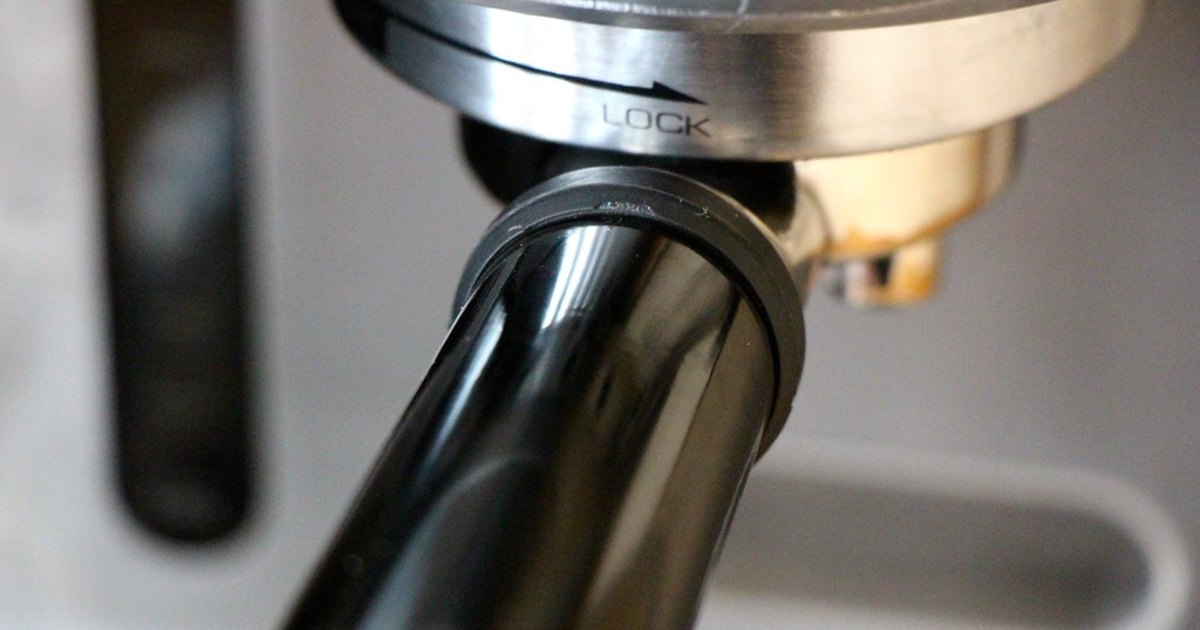
Featured image: Espresso machine by JMacPherson, source, licensed under CC BY 2.0. Resized and cropped. Illustrative stock photo; no product testing is implied.